How to choose edge computing nodes

You need to choose edge computing nodes by focusing on your specific workload, environment, and data needs. Each type of node brings unique strengths. For example, edge nodes handle data collection and processing at the network’s edge, while gateway devices connect these nodes to the cloud and boost security. Use the table below to compare the main types:
Type of Node | Description |
|---|---|
Edge nodes | Physical devices at the network’s edge that collect data, process tasks, store data, and communicate. |
Gateway devices | Connect nodes to the cloud, enabling communication and enhancing security and reliability. |
When you choose edge computing nodes that match your needs, you improve performance and reliability.
What are edge computing nodes
Edge node definition
You encounter edge computing nodes in many modern networks. These nodes are physical devices that sit close to where data is generated. You use them to collect information, process tasks, and store results. Edge nodes operate outside traditional data centers. They help you reduce delays because they handle tasks near the source. You rely on them for real-time decisions in environments like factories, stores, or smart city systems. The nodes often work together or connect to larger systems, such as the cloud, to share data and resources.
Main node types
You find several main types of edge computing nodes. Each type plays a unique role in the network architecture. The table below shows the primary categories and their functions:
Category | Description | Role in Architecture |
|---|---|---|
Edge Nodes | Smaller computing units distributed geographically, providing resources on demand. | Reduce latency for IoT applications and collaborate with the Cloud or other nodes. |
Gateway Devices | Act as intermediaries between end devices and the cloud, managing data flow. | Facilitate communication and data transfer between nodes and the cloud. |
Cloudlets/Micro-Clouds | Resource-rich computers or clusters that support nearby mobile devices. | Push computations closer to end-users to minimize latency in sensitive applications. |
You use edge nodes for fast data processing. Gateway devices help you manage connections and secure data flow. Cloudlets, also called micro-clouds, offer extra computing power near mobile users. You benefit from cloudlets when you need low latency for tasks like gaming or GPS routing. Cloudlets are trusted, resource-rich computers or clusters. They connect well to the Internet and support sensitive applications by reducing delays.
Types of edge computing
Device edge, local edge, cloud edge
You can find edge computing in several forms, each designed for different needs. There are three main types:
Device Edge: You use device edge when you want processing power right on the device itself. Examples include smart cameras, sensors, or industrial robots. These devices analyze data instantly, which helps you make quick decisions without sending information far away.
Local Edge: Local nodes sit close to your devices, often within the same building or facility. You might use a local server or gateway to process data from many devices at once. This setup works well in factories, hospitals, or retail stores where you need fast responses and control over your data.
Cloud Edge: Cloud edge nodes operate near the edge of the cloud network. You use them when you want to balance speed and scalability. They handle tasks that need more computing power than local devices but still require low latency. They often support applications like video streaming or connected vehicles.
Note: Choosing the right type depends on how quickly you need results and how much data you must process.
Network, regional, on-premise, on-device edge
You also see edge computing classified by where the processing happens. Each location offers unique benefits.
Type | Where Processing Happens | Best For |
|---|---|---|
Network Edge | At network access points | Telecom, smart city traffic management |
Regional Edge | In regional data centers | Applications needing local compliance |
On-Premise Edge | Inside your own facility | Industrial automation, healthcare |
On-Device Edge | Directly on the device | Wearables, smart sensors, mobile devices |
Network: You process data at network points like cell towers. This reduces delays for services like 5G or emergency response.
Regional: You use regional data centers to meet local laws or reduce travel time for data. This helps you with privacy and compliance.
On-Premise: You keep data inside your building. This gives you full control and security, which is important in sensitive environments.
On-Device: You rely on the device itself for processing. This works best for portable or remote equipment.
Choose edge computing: key factors
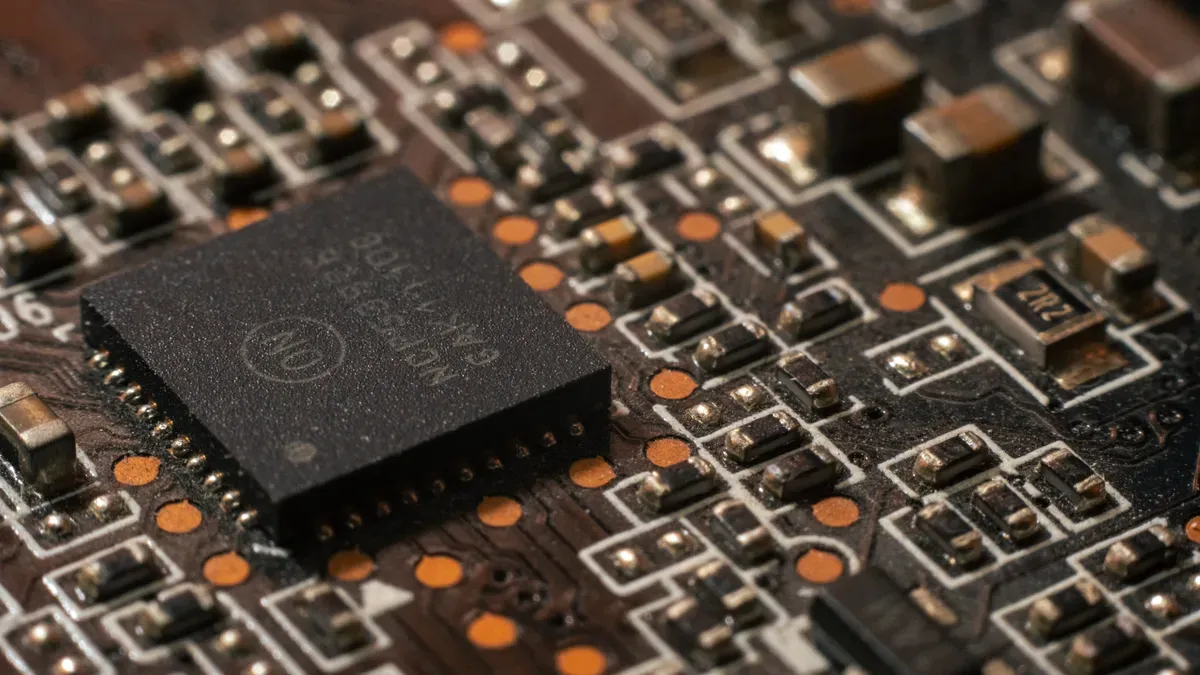
When you choose edge computing nodes, you need to look beyond just the hardware. You must consider how each factor affects your system’s speed, security, and ability to grow. The right choice depends on your workload, environment, and future needs. Let’s break down the most important criteria.
Performance and latency
Performance sits at the heart of every deployment. You want nodes that can process data quickly and handle your workload without delays. Latency, or the time it takes for data to travel and get processed, can make or break real-time applications. For example, in smart factories or autonomous vehicles, even a small delay can cause problems.
You should evaluate these key performance metrics:
Performance Metric | Description |
|---|---|
Communication Cost | The cost of sending data between nodes and clouds. |
Computing Cost | The expense of processing data at the edge, important for IoT and real-time services. |
Latency | The delay in data transmission, crucial for real-time processing. |
Throughput | The amount of data processed in a set time, affecting efficiency. |
Energy Consumption | The power needed for operations, which impacts sustainability. |
Load Balancing | How workloads are distributed across nodes to optimize resources. |
When you choose edge computing nodes, check the CPU, memory, and storage. High-performance CPUs and enough RAM help you process data faster. Storage matters for applications that keep data locally. In industrial settings, you may need nodes that handle high continuous power output and work in tough conditions.
Security and compliance
Security is a top concern when you choose edge computing, especially in industries like healthcare, finance, or retail. The nodes sit outside the traditional data center, so they face more risks. You must protect data as it moves and when it sits on the device.
Common threats include vulnerabilities from decentralization and attacks on AI systems. Here’s a quick overview:
Threat Type | Description |
|---|---|
Edge Computing Vulnerabilities | Each node can become a target because of decentralization. |
Adversarial Attacks on AI Systems | Small changes in input data can cause AI to make wrong decisions. |
You also need to meet industry standards and regulations. Some of the most important include:
General Data Protection Regulation (GDPR)
California Consumer Privacy Act (CCPA)
NIST Cybersecurity Framework
IoT Cybersecurity Improvement Act
Health Insurance Portability and Accountability Act (HIPAA)
Payment Services Directive 2 (PSD2)
Note: Data handling and privacy rules shape how you choose edge computing nodes. Lightweight security models often work best, especially where resources are limited.
Scalability and flexibility
Your edge solution should grow with your business. Scalability lets you add more nodes as your needs increase. Flexibility helps you adapt to new workloads or changing environments, such as adding new sensors in a smart city or expanding a retail network.
You benefit from these features:
Feature | Description |
|---|---|
Greater Agility | Respond quickly to new business needs and market changes. |
Rapid Scalability | Add or remove nodes easily to match demand. |
Pay-as-you-go | Pay only for what you use, reducing waste and risk. |
Managed for You | Offload IT tasks so you can focus on business growth. |
Edge computing distributes tasks across devices, making it easy to scale up for smart cities or industrial automation.
Modular components let you add or remove parts quickly, which boosts flexibility.
Distributed computing across locations helps you handle more users and devices without slowing down.
Deployment and management
Deployment and management shape how easy it is to run your network. You want nodes that are simple to install, configure, and update. In remote or resource-limited areas, you need smart resource management and the ability to offload tasks when needed.
Best practices include:
Intelligent resource management frameworks to optimize performance.
Computation offloading and service cache deployment to handle limited storage.
Breaking down applications into smaller tasks for better delivery and quality.
Modern edge deployments use container orchestration tools, like Docker or Kubernetes, to automate updates and keep applications running smoothly—even without cloud access. You also need to consider power efficiency, reliability in different environments, and compliance with energy standards.
Key Requirement | Description |
|---|---|
High Continuous Power Output | Handles heavy CPU and storage loads without overheating. |
Multi-Voltage Output Coverage | Supports different subsystems for better efficiency. |
Energy Efficiency Level VI | Meets strict standards to lower electricity use and cooling needs. |
Reliability | Works well in various conditions, even without forced-air cooling. |
By focusing on these key factors—performance, security, scalability, and management—you can choose the nodes that deliver reliable, secure, and efficient results for your unique needs.
Use cases for node selection
Industrial IoT
You face unique challenges in industrial IoT environments. You need edge computing nodes that can handle heavy workloads and operate reliably. When you choose edge computing for factories or production lines, focus on hardware that supports advanced processing and storage.
These nodes process data close to machines, which reduces latency and improves response times. You also gain better security because data stays local. Scalability becomes easier, as you can add more nodes when your operations grow.
Smart cities
You see smart cities using edge computing to manage traffic, energy, and public safety. Low latency is critical for applications like self-driving cars, where instant data analysis can prevent accidents. You rely on robust connectivity, such as 5G networks, to keep devices linked in real time. Managing many distributed devices helps you optimize traffic flow and allocate resources efficiently.
The nodes analyze sensor data to adjust traffic lights and reduce congestion.
Real-time monitoring improves public safety by sending alerts for emergencies.
Local AI analysis detects threats and supports quick decision-making.
Retail environments
You use edge computing in retail to improve customer experience and streamline operations. Edge servers process point-of-sale transactions locally, which reduces delays. AI models running on these nodes enable checkout-free shopping and personalized promotions. In 2025, retailers deploy edge-enabled cameras and sensors to study shopper behavior and adjust digital signs instantly. This helps you predict inventory needs and avoid stockouts.
You must also manage many devices, ensure systems work together, and keep data secure. Scaling your infrastructure and deploying software across stores can be challenging, but edge computing makes these tasks more manageable.
You can choose the right nodes by matching their features to your needs. Focus on performance, security, scalability, and management. Here is a quick checklist to guide you:
Identify your workload and environment.
Check CPU, memory, and storage.
Review security and compliance needs.
Plan for easy deployment and growth.
FAQ
What is the main benefit of edge computing nodes?
You gain faster data processing and lower latency. The nodes handle tasks near the source, which helps you make real-time decisions. This improves efficiency in environments like factories, stores, and smart cities.
How do you secure edge computing nodes?
You use encryption, strong authentication, and regular software updates. You also follow industry standards like GDPR and NIST. Security tools protect your data as it moves and stays on the device.
Tip: Always check for vulnerabilities and update your nodes often.
Can you scale edge computing easily?
Yes, you can add more nodes as your needs grow. Modular designs and distributed computing let you expand quickly. You pay only for what you use, which helps you manage costs.
Feature | Benefit |
|---|---|
Modular nodes | Easy expansion |
Pay-as-you-go | Cost control |
What industries use edge computing nodes?
You see edge computing in manufacturing, retail, healthcare, and smart cities. Each industry uses nodes to process data locally, improve speed, and boost security.
Manufacturing: Real-time machine monitoring
Retail: Fast checkout and inventory tracking
Healthcare: Patient data analysis